
|Research Highlights|
From Literary Authorship Analysis to Disease Diagnosis: NYCU’s Mathematical Model Advances Early Alzheimer’s Detection
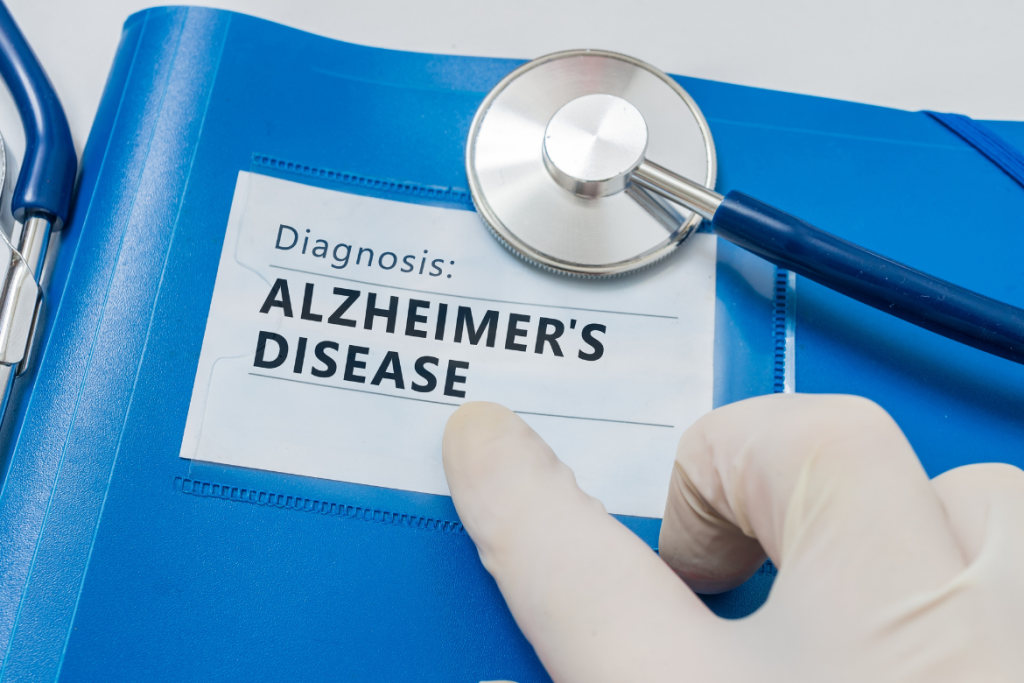
A mathematical model developed years ago to analyze the authenticity of Shakespeare’s works and Dream of the Red Chamber has now been found applicable to detecting structural changes in the brains of Alzheimer’s patients. This technology reveals differences between the brain structures of Alzheimer’s patients and healthy individuals, improving diagnostic efficiency and introducing a novel diagnostic method. The study, “Exploring morphological similarity and randomness in Alzheimer’s disease using adjacent grey matter voxel-based structural analysis,” has been published in Alzheimer’s Research & Therapy.
|Industry Cooperation|
Advancing a New Era in Smart Healthcare: NYCU Partners with Shin Kong Hospital and PHISON Electronics to Drive Medical Innovation with GenAI
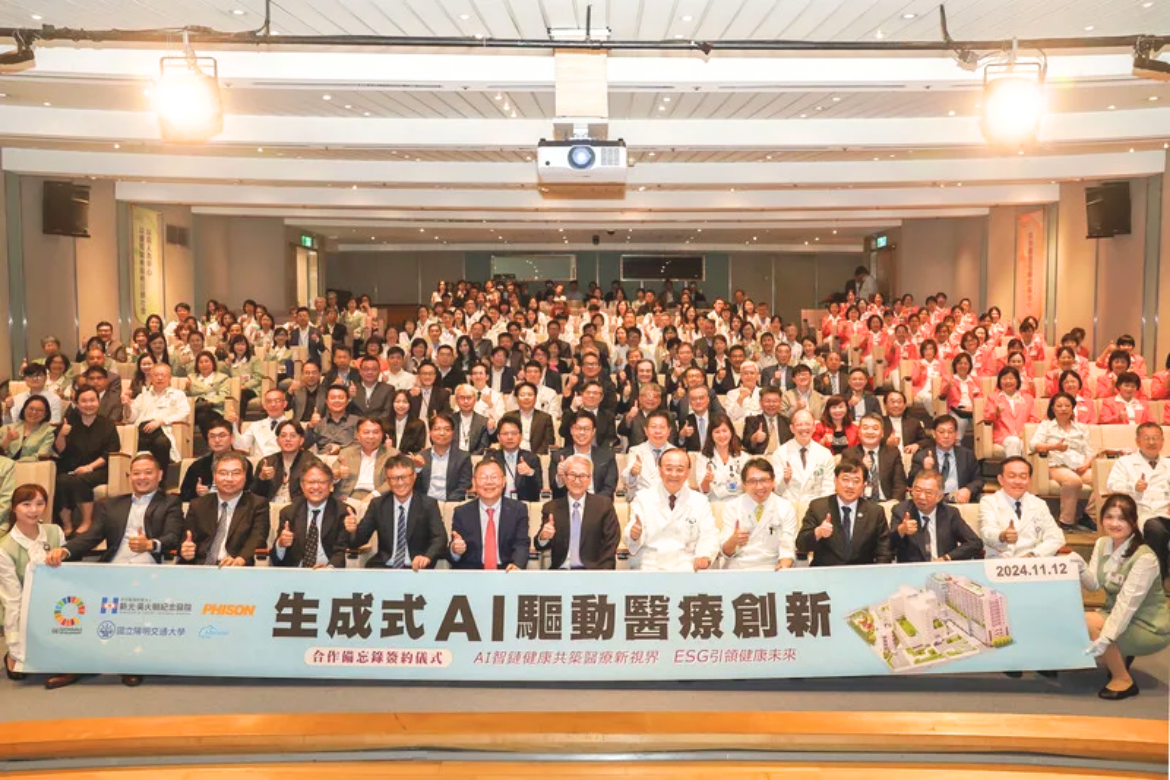
The wave of Generative AI (GenAI) is now reaching the healthcare industry! On November 12, National Yang Ming Chiao Tung University (NYCU), Shin Kong Hospital, and PHISON Electronics announced a groundbreaking collaboration to advance medical innovation through Generative AI (GenAI). This partnership aims to strengthen academic and medical research, elevating diagnostic accuracy through a fusion of expertise across healthcare, academia, and technology.
|Humanities & Arts|
NYCU College of Hakka Studies Marks 20th Anniversary: Exploring New Paths in Communication and Multiculturalism
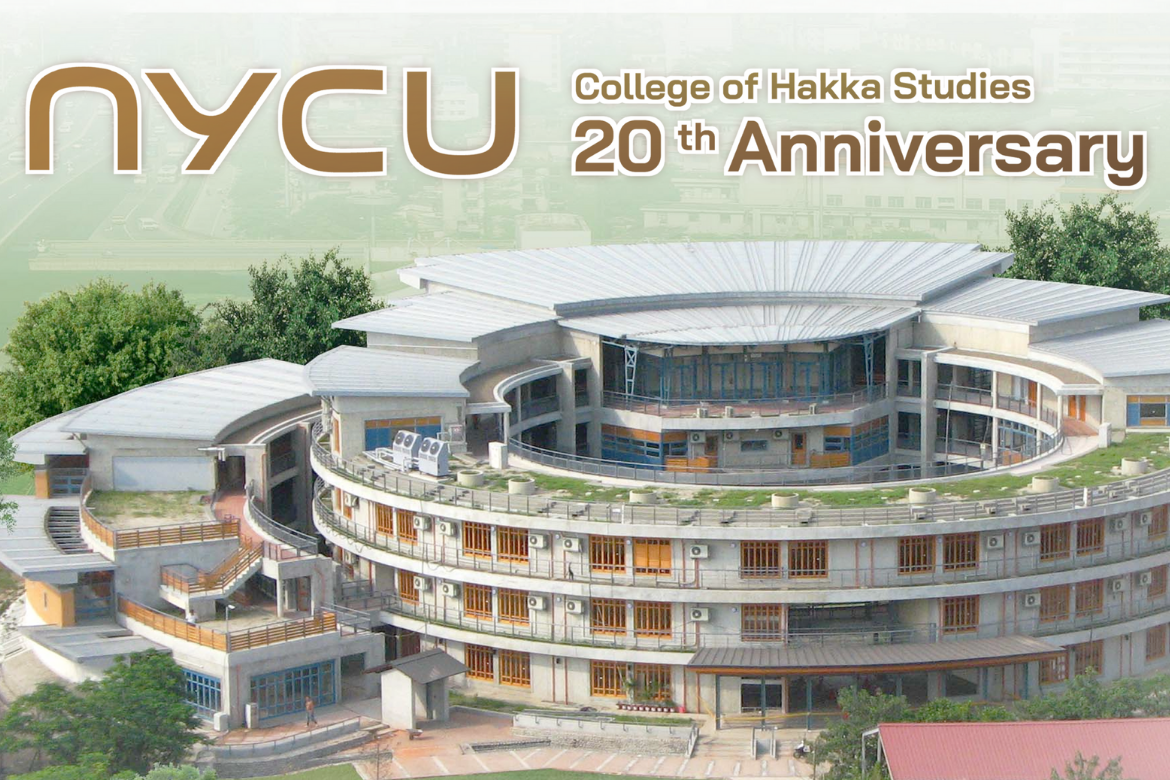
NYCU College of Hakka Studies commemorated its 20th anniversary with an academic symposium on November 8th that attracted scholars and industry leaders to discuss profound issues surrounding ethnic cultures, communication technology, and modern society. Professor Mei-Ling Chien, Dean of the College of Hakka Studies, noted the college’s dedication not only to Hakka and ethnic studies but also to fostering dialogue across communication, humanities, and technology, creating a space for interdisciplinary exchange.